
It affects your SEO, scalability, marketing flexibility, performance, and long-term costs.
If you are deciding between WordPress and Webflow, this guide will help you understand which platform actually supports business growth — not just launch speed.
When Webflow Makes Sense
Webflow is popular for:
- Clean visual design
- Fast prototyping
- Designer-friendly workflow
- No plugin management
- Built-in hosting
For small brochure websites or early-stage startups that want visual control without backend complexity, Webflow can work well.
However, limitations appear when your business grows.
Where WordPress Wins for Growing Businesses
WordPress powers over 40 percent of the web for a reason.
It offers:
- Full ownership
- Flexible hosting
- Deep SEO control
- Custom PHP development
- Advanced integrations
- E-commerce scalability
If your website is tied to lead generation, automation, or revenue, flexibility becomes critical.
That is where WordPress becomes the stronger long-term choice.
SEO Control and Technical Flexibility
For marketing managers and business owners, SEO flexibility matters.
With WordPress you can:
- Fully control URL structure
- Customize schema markup
- Optimize database performance
- Use advanced caching systems
- Improve Core Web Vitals
- Implement structured PHP optimization
Webflow offers decent SEO tools, but advanced backend optimization is limited compared to WordPress performance optimization using PHP.
If ranking matters long-term, technical flexibility matters.
Performance and Scalability
Both platforms can be fast.
But the difference lies in control.
With WordPress, performance can be engineered:
- Custom PHP cleanup
- Object caching
- CDN configuration
- Server-level tuning
- Database indexing
This allows serious performance improvements.
I have optimized WordPress websites and reduced load times by 50–60 percent through structured backend optimization.
Webflow performance depends heavily on its hosted infrastructure and offers less control over backend execution.
E-Commerce Comparison
If you plan to scale e-commerce:
Webflow
- Basic e-commerce
- Simpler product management
- Limited customization for complex workflows
WordPress with WooCommerce
- Unlimited product flexibility
- Custom checkout logic
- Payment gateway integrations
- CRM integrations
- Membership systems
- Advanced filtering
- Custom PHP logic for unique business needs
For growing brands, WordPress typically offers more scalability.
Cost Considerations in 2026
Webflow:
- Monthly subscription
- Hosting bundled
- Additional fees for scaling
WordPress:
- Hosting varies
- Development cost upfront
- Lower long-term SaaS dependency
Many businesses start on Webflow but migrate later when they need more control.
If you expect growth, building on scalable infrastructure from the beginning reduces future migration costs.
When to Choose WordPress
Choose WordPress if:
- You plan to scale
- You need integrations
- SEO is a priority
- You want full ownership
- You require advanced customization
- Your website drives revenue
Choose Webflow if:
- You need a simple marketing site
- You want fast visual editing
- You do not need complex functionality
5 Quick Questions to Decide
Ask yourself:
- Will this site need advanced integrations?
- Will SEO drive significant traffic?
- Do I need e-commerce flexibility?
- Will we scale content heavily?
- Do we want full control over hosting and backend?
If most answers are yes, WordPress is likely the better choice.
FAQ
Is WordPress harder to manage than Webflow?
Not when properly configured and maintained. A structured setup removes most complexity.
Is Webflow more secure?
Both can be secure. WordPress requires proactive security management, which is manageable with proper maintenance.
Which platform ranks better on Google?
Both can rank well, but WordPress offers deeper technical SEO customization.
Can I migrate from Webflow to WordPress later?
Yes, but migration requires careful URL mapping and content restructuring.
Final Thoughts
The real question is not WordPress vs Webflow.
The real question is how much control and scalability your business needs.
If your website is a revenue engine, technical flexibility and performance engineering matter.
With over 11 years of WordPress and PHP experience, I help businesses choose the right platform and build scalable, high-performing websites.
👉 If you are deciding between WordPress and Webflow, contact me to discuss your business goals and technical needs.
Ready to Fix, Build, or Scale Your Website?
If your website needs improvement — or you’re planning something new — now is the right time to get expert help.
With over 13 years of professional experience in WordPress and PHP development, I help businesses turn slow websites into fast, conversion-ready platforms.
If you need help improving your website speed, contact me for a performance audit.
More from DevNotes
Actionable insights on WordPress, performance, security, and building scalable websites.
WordPress Maintenance Plans Every Small Business Needs in 2026
Your website is not a one-time project. It is a living system that requires updates, monitoring, security, and performance optimization. In 2026, ignoring maintenance is one of the most expensive mistakes small businesses make. Here’s what proper WordPress maintenance...
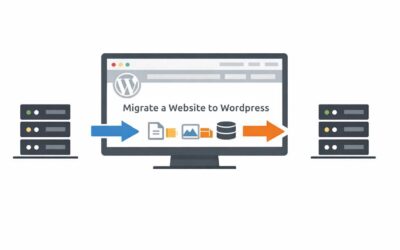
How to Migrate a Website to WordPress Safely in 2026
Migrating a website can feel risky.
You worry about losing traffic, breaking pages, damaging SEO rankings, or disrupting customer experience.
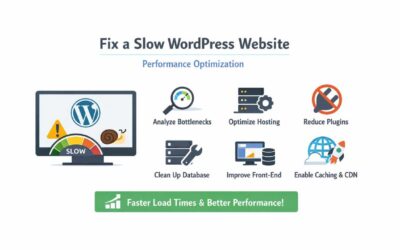
Fix a Slow WordPress Website in 2026 Using Proper PHP Performance Optimization
If your WordPress website takes more than 3 seconds to load, you are losing visitors — and likely losing revenue.
In 2026, speed is not optional. Google measures it. Users expect it. And competitors optimize for it.